Affichage des articles dont le libellé est Espagne. Afficher tous les articles

10 déc. 2015

European biking cities, les bonnes pratiques cyclables de 6 villes pour diminuer la pollution atmosphérique.

Le réseau des villes cyclables européennes (European Biking Cities) a été formé en 2013 par les villes de Bolzano (Italie), Brighton &  Hove (Grande-Bretagne), Mannheim et Potsdam (Allemagne), Strasbourg et Victoria-Gasteiz (Espagne). Ce projet d'une durée de deux ans a été financé par la Commission européenne dans le cadre de son programme Clean air qui a pour objectif d’améliorer la qualité de l'air. 
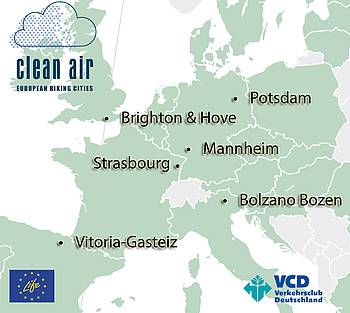

Piloté par l’organisation non gouvernementale allemande Verkhers Club Deutschland, le projet avait pour objectif de renforcer le rôle du vélo dans la politique européenne de réduction du trafic automobile et d’amélioration de la qualité de l'air. Durant les 4 réunions du projet, trois thématiques ont été choisies par les participants. Il s'agit de la cohabitation entre les piétons et les cyclistes, du stationnement et du développement des vélos cargo à usage professionnel. 

Après une brève introduction du réseau et des six villes, la brochure (en anglais), présentée lors de la conférence Vélocity à Nantes en juin dernier, permet de découvrir les bonnes pratiques mises en place par ces six villes dans des contextes administratifs, réglementaires, géographiques et financiers parfois très différents.
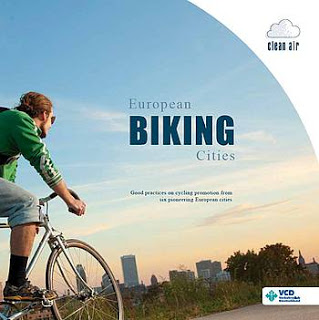

Ce document s'achève sur un état des lieux des rares études européennes qui analysent les effets de la diminution du trafic automobile au profit du vélo sur la qualité de l'air. Ces travaux concluent sur le fait que le développement du vélo à un impact positif sur la qualité de l'air même si celui-ci est très difficile à quantifier du fait des nombreux facteurs (pollution industrielle, conditions météorologiques, topographie…) pouvant influer sur la présence des principaux polluants. 

Cette brochure s’adresse au milieu associatif, aux techniciens et aux élus qui veulent découvrir différentes actions de promotion du vélo en Europe. Le projet European Biking Cities démontre que la construction européenne n'est pas uniquement le fait de lois technocratiques mais qu’elle se pratique également à l'échelle de petits projets concrets qui permettent de construire une Europe simple, durable et tournée vers l’avenir, à l’image du vélo...

19 juin 2014

Vitoria Gasteiz Cycle Chic.

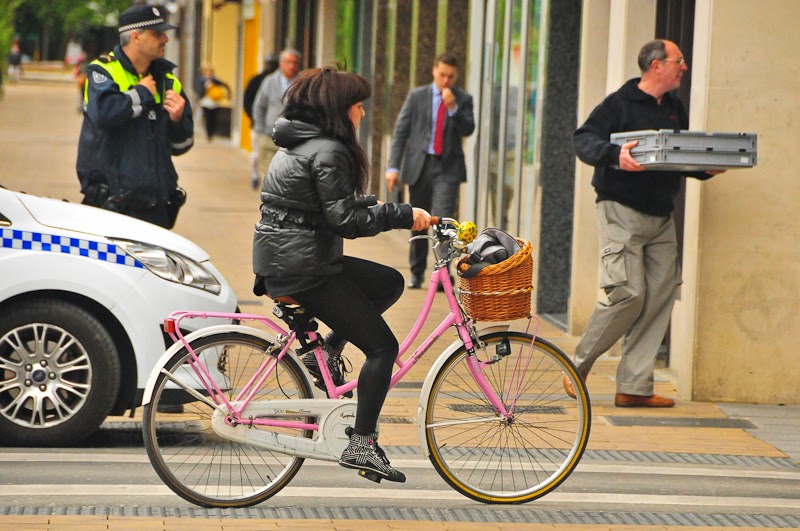
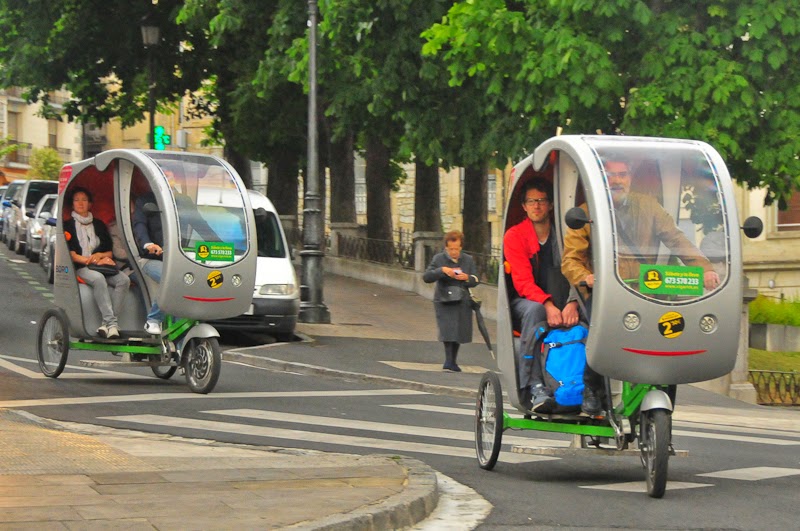
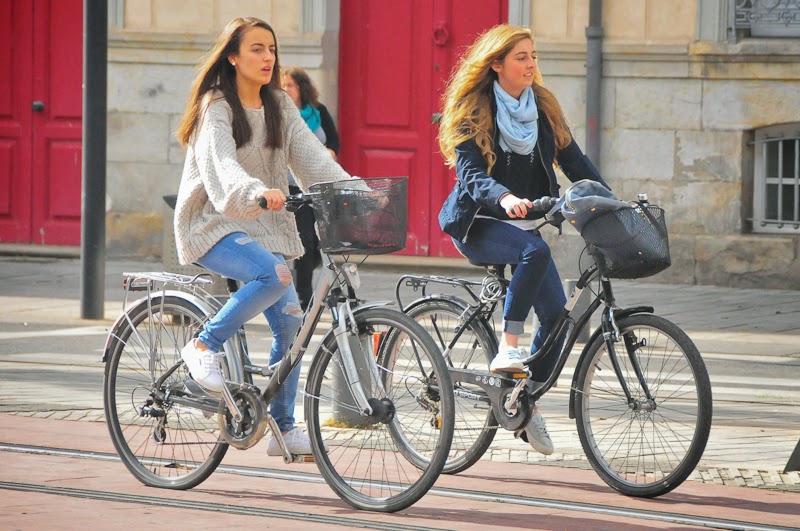
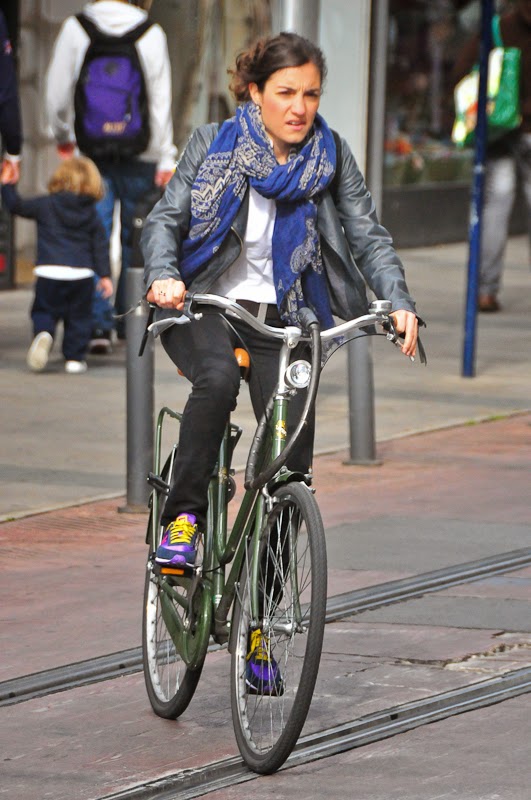
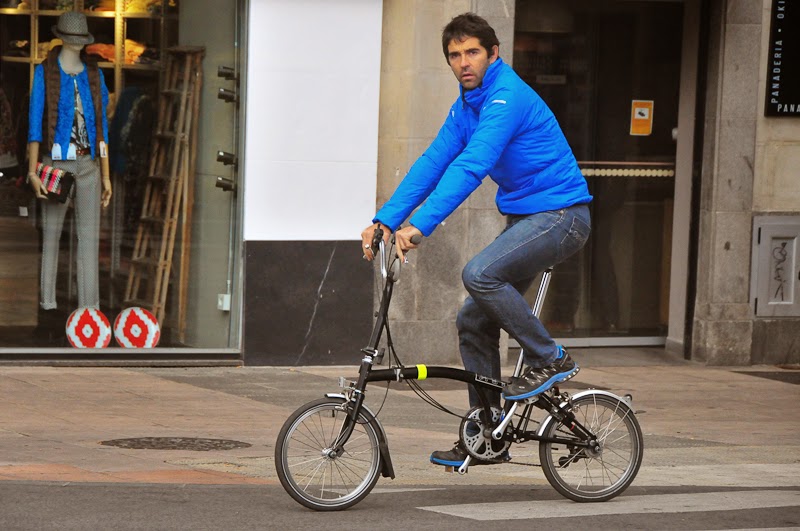
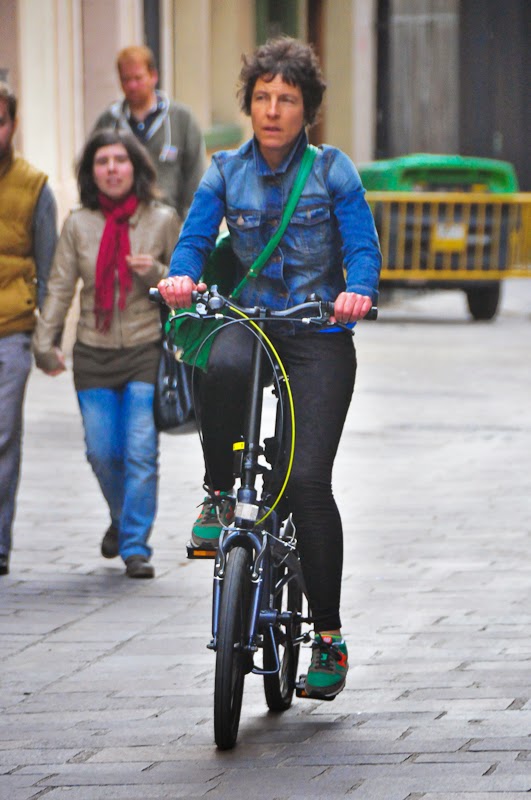
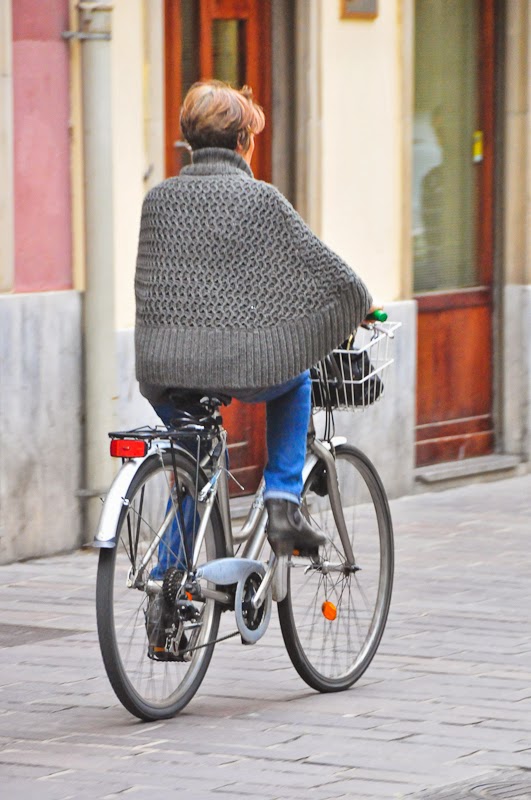
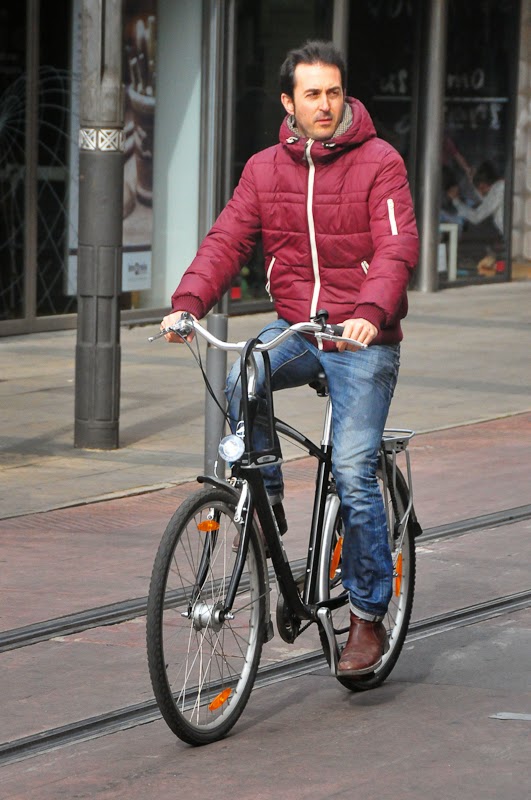
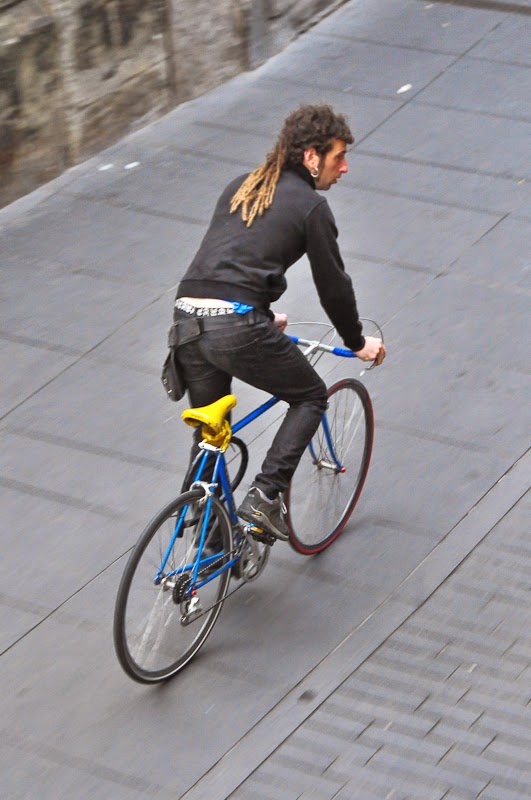
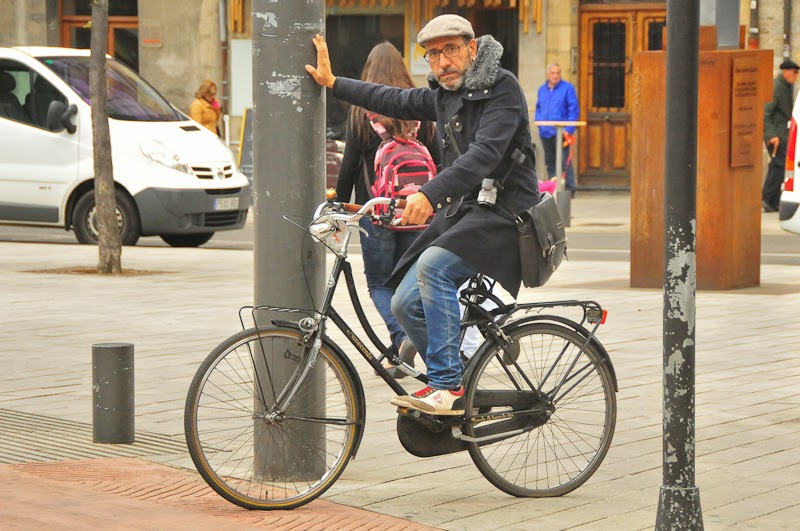
The last article has introduced you the bicycle policy of the city of Vitoria Gasteiz in Spain's Basque country. Today I will present you a sample of the cyclists of the most bike friendly city of Spain.


Vitoria Gasteiz is a great secret bicycle city in Europe. It's so secret that it's Cycle Chic blog is no more updated since October 2012. But you can nevertheless find some great others pictures of local cyclists on this web site.

17 juin 2014

Vitoria Gasteiz, one of the most booming cycling's cities.

I was in Vitoria Gasteiz in the Spanish Basque country in the late of May. It was the second meeting of the European biking project. Vitoria (in spanish language) or Gasteiz (in Basque language) got a population of 242 147 people in a city of 276 km² which gives a very dense city with 860 inhabitants per km².

With 7 % of the daily trips by bike in 2011 (1 % in 2002), Vitoria Gasteiz is the spanish city where bicycle is the most used. And with 55 % of walkers and 8 % of public transport customers, the Alava capital is one of the cities where cars are the less used (29 % of the daily trips). This is one of the reasons why Vitoria Gasteiz held the title of European Green Capital in 2012.


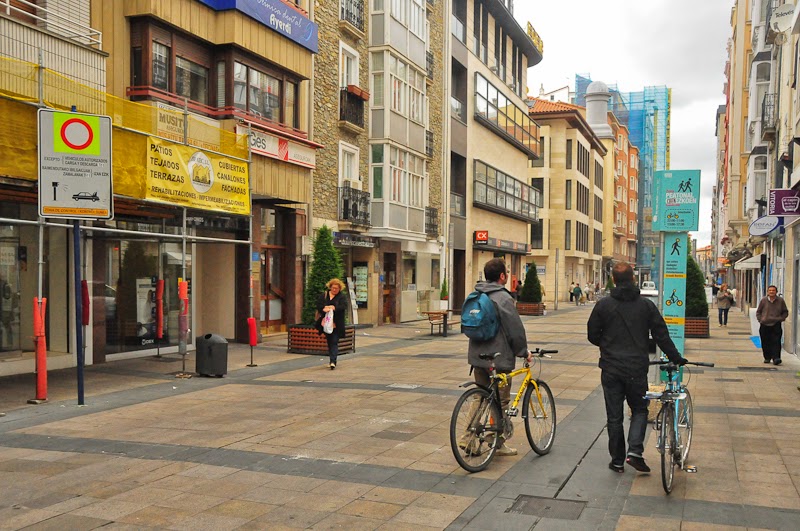
The car free area of the old part of the city started in 1976, and in 1993 reached up to 40 000 square meters and up to more than 20 streets. Some of the pedestrianized streets registered up to 25 000 vehicles. Nowadays the pedestrian zone reach up to 500 000 square meters.


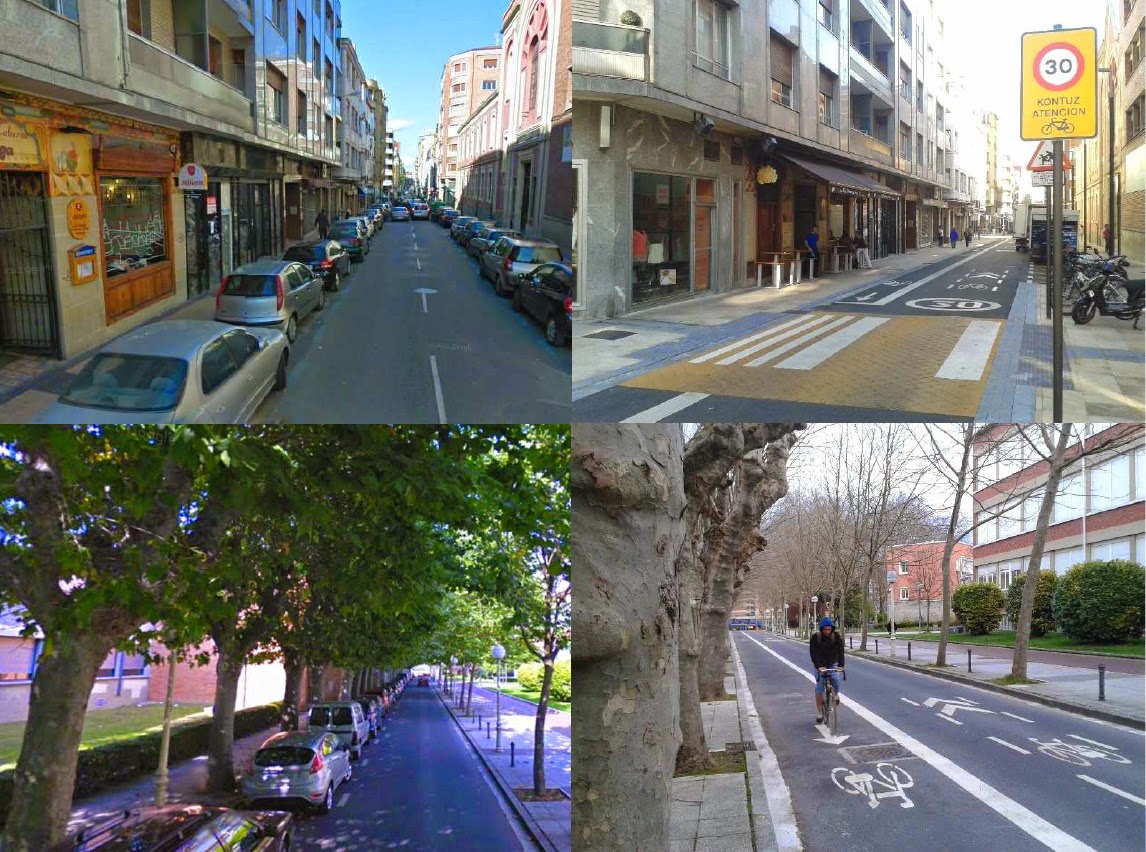
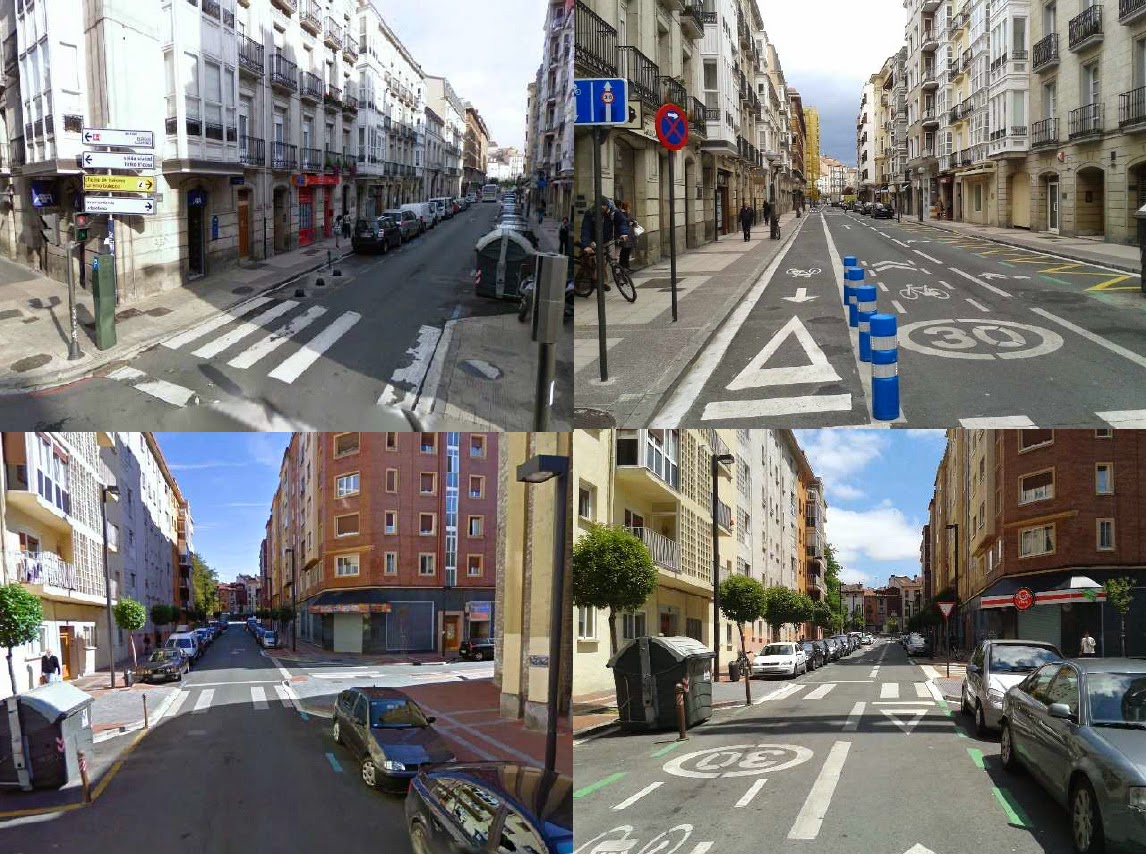
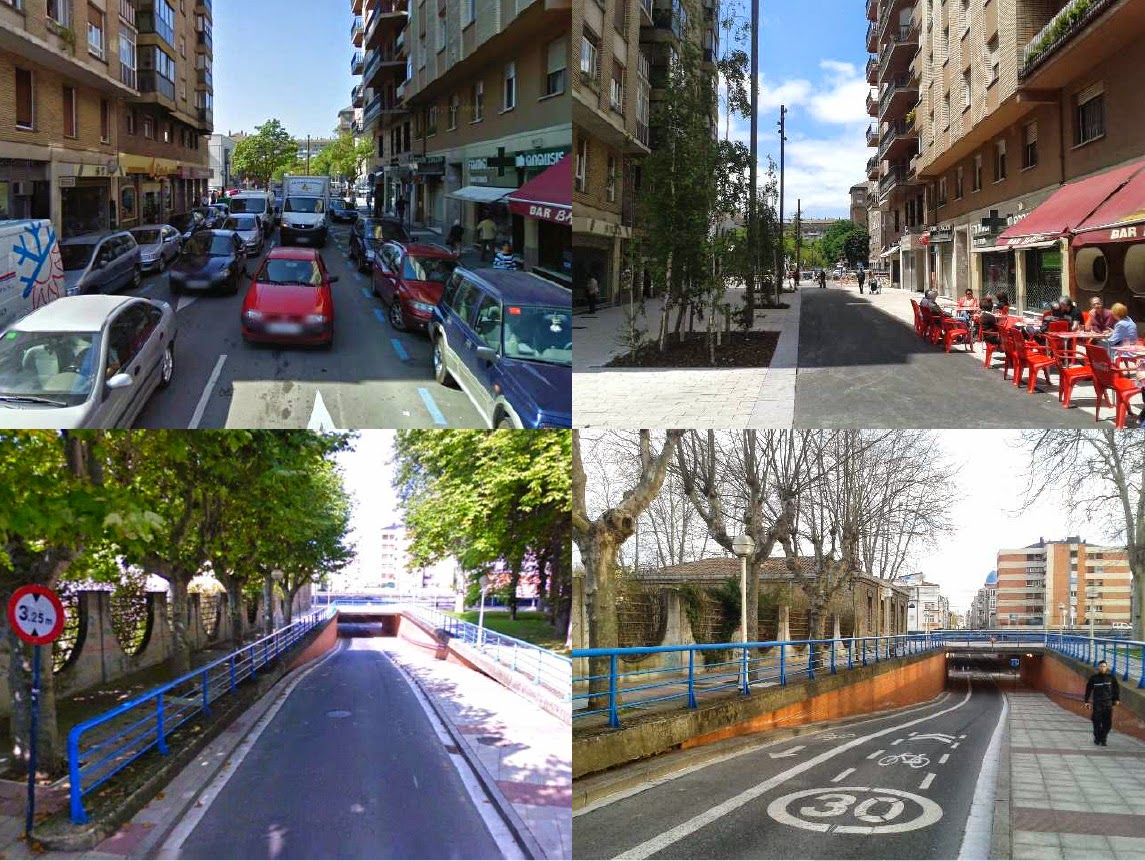
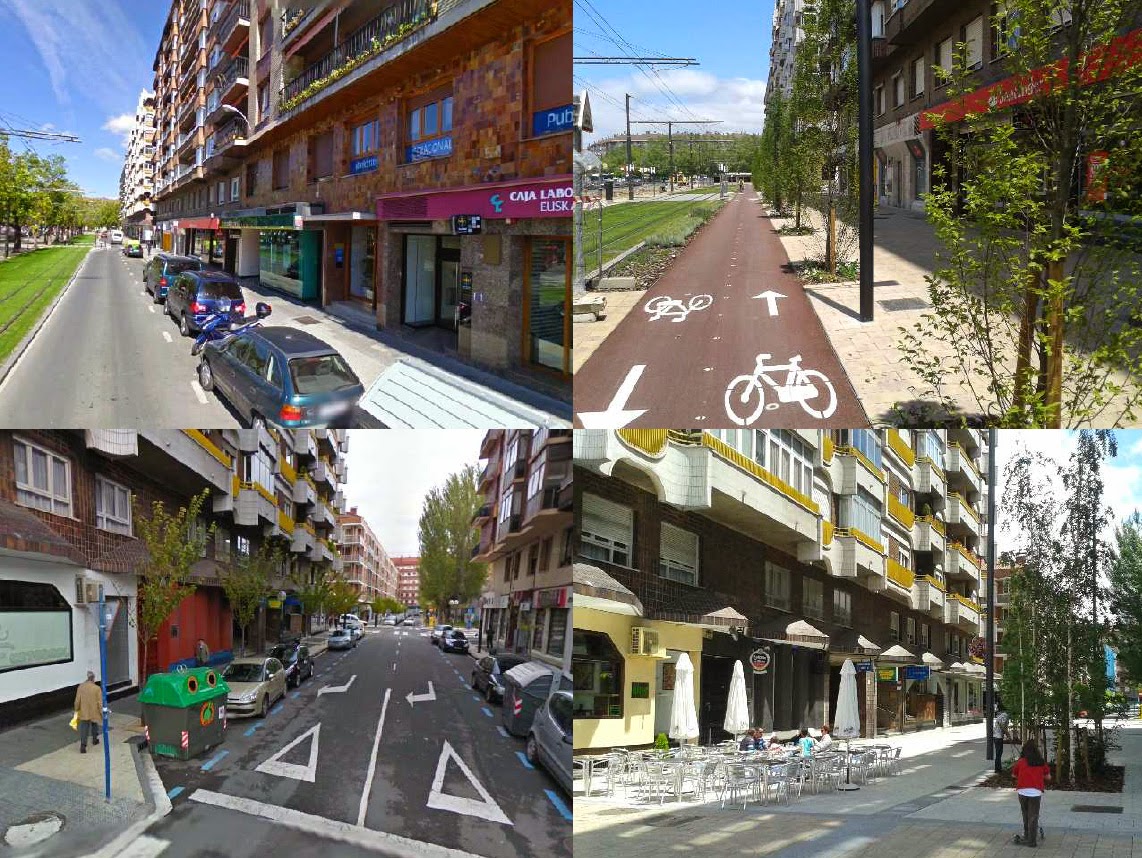
The city started it’s cycling policy in the beginning of the 2000's. It built the first cycle tracks by taking space from cars, by calming traffic in residential areas with new traffic plan with one way car streets with two way for bicycle users as you can see in this before/after pictures


Photos: Vitoria-Gasteiz City Council
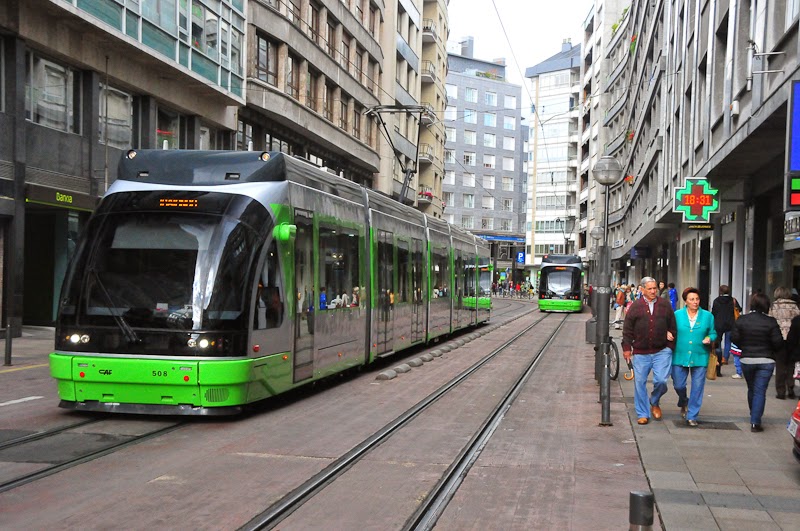
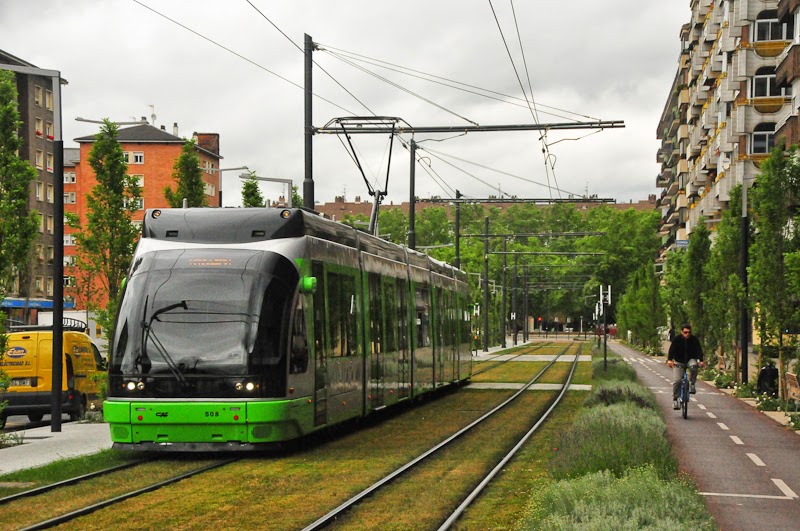
The improvement of the bike use in the city was also helped by the new tram lines inaugurated in 2008 which has completely redesign the streets from side to side in order to give more space to cyclists and pedestrians.


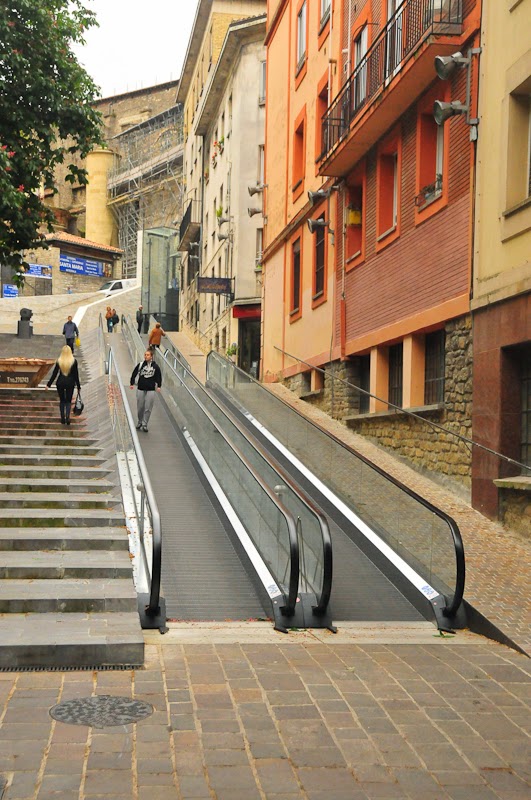
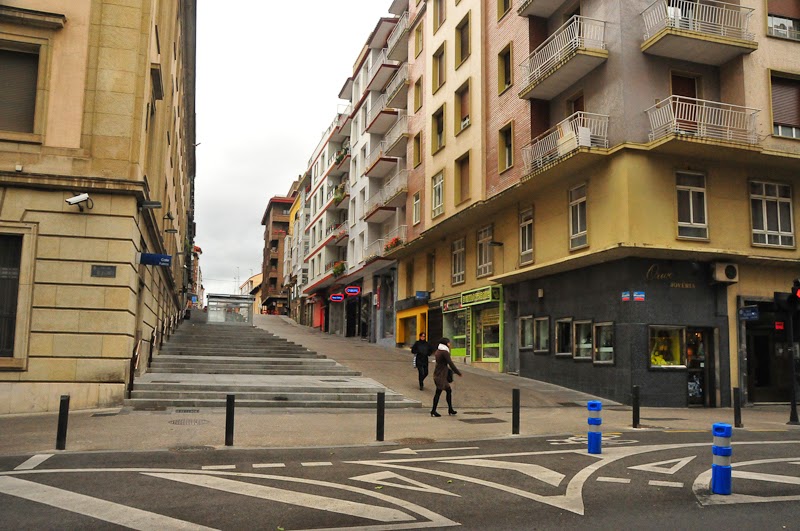
Vitoria Gasteiz is the good exemple of a city which is quickly becoming "bike friendly". The city gave more space to cyclists and calmed motorised trafic in the city and communicated about it by working closer with the inhabitants. I was very impressed of the results of this 10 years policy which got very good results without a big and expensive public bike sharing system !. It just need to be supported by politicians a little bit of money and to be timeless. Congratulations to Vitoria-Gasteiz !